Taken Aback: Meaning, Definition, Examples, and How to Use It

The phrase “taken aback” is commonly used in everyday English when someone feels surprised, shocked, or confused by something unexpected. ...
Read more
Protagonist vs Antagonist: What’s the Difference? (With Examples)
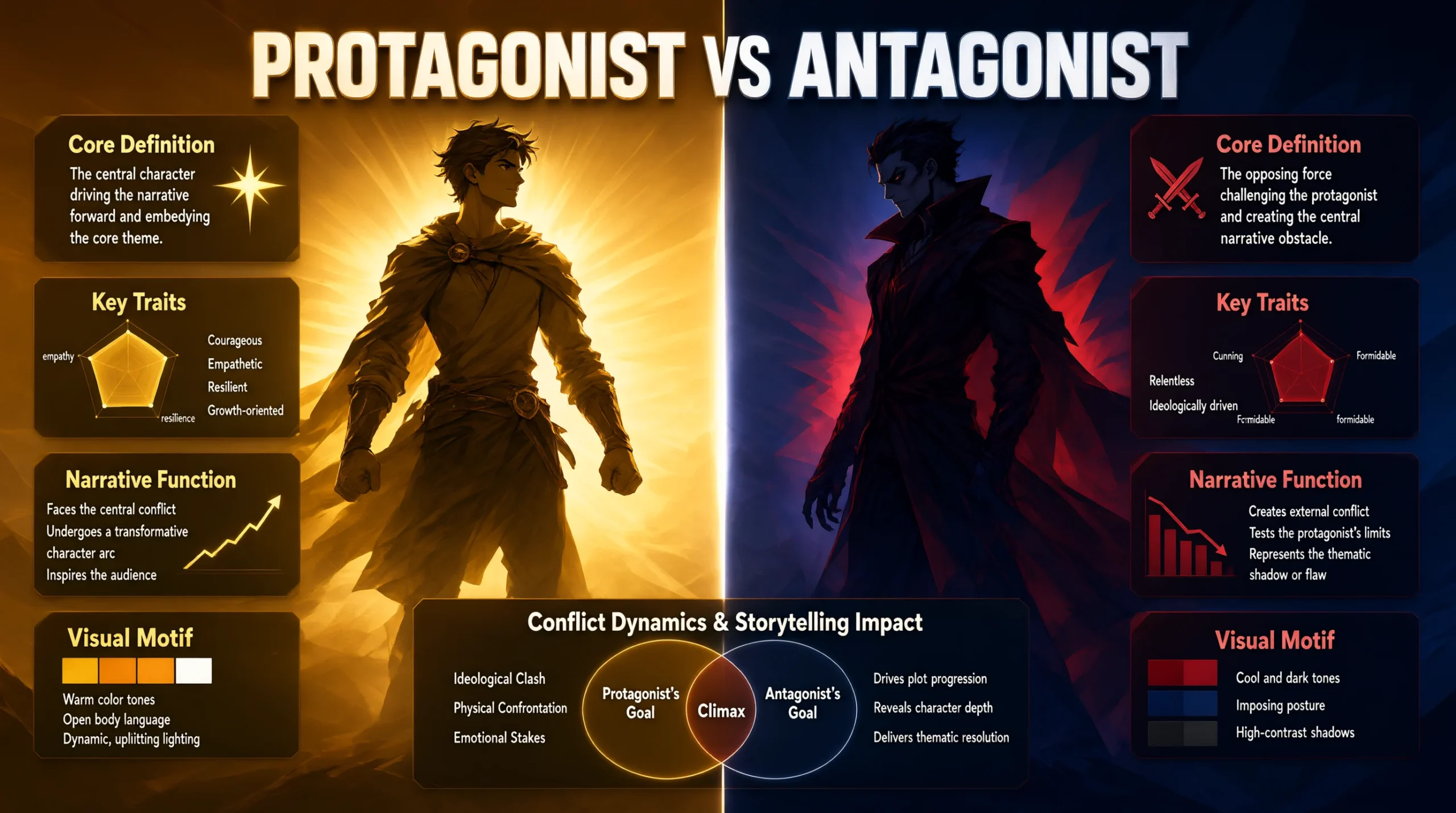
Understanding the difference between protagonist vs antagonist makes it easier to analyze stories, novels, films, plays, and other forms of ...
Read more
Involved With or Involved In: What’s the Difference? (With )
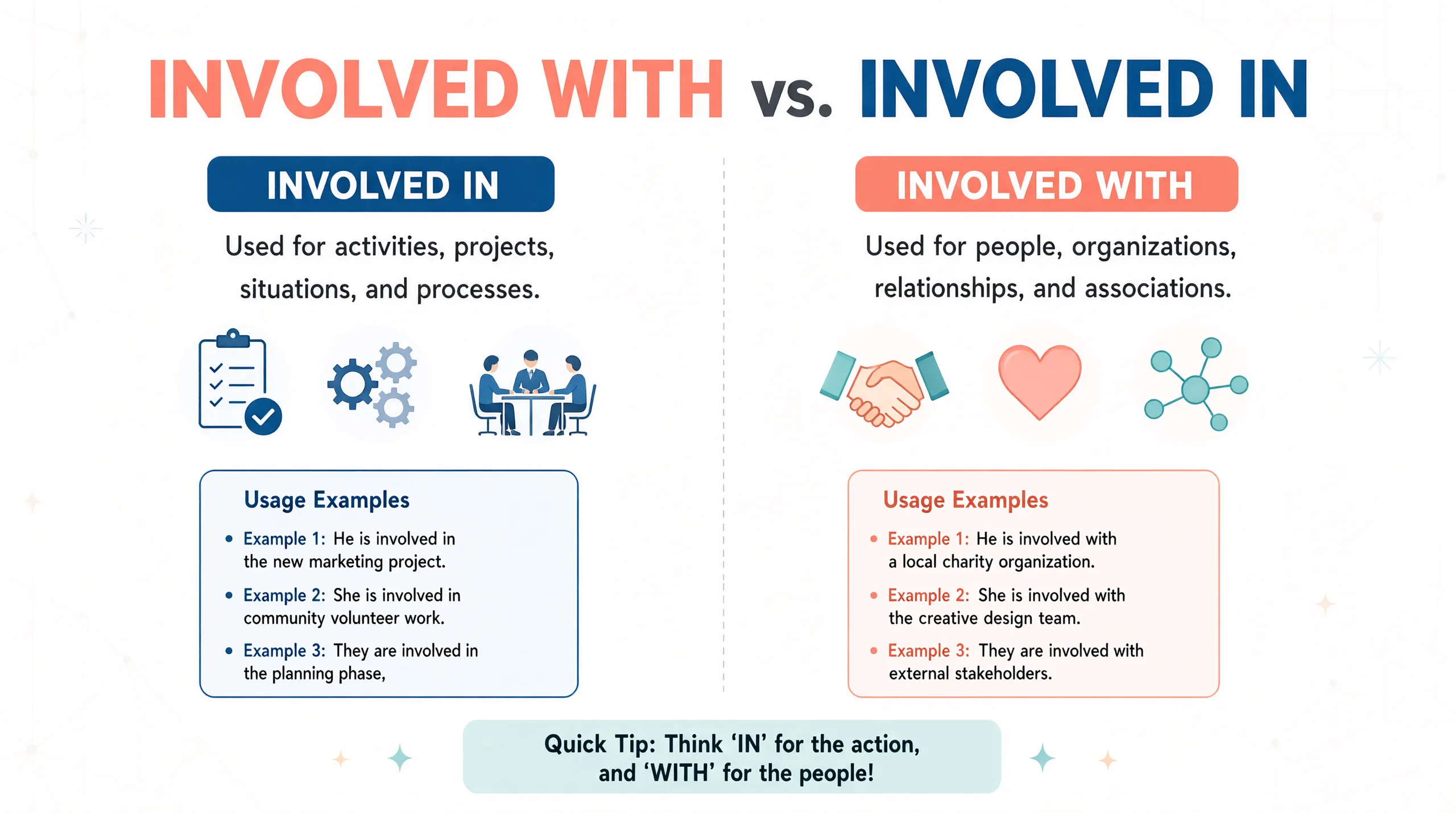
Choosing between “involved with” and “involved in” can be confusing because both expressions describe a connection, participation, or relationship with ...
Read more
Is Done or Has Been Done: What Is the Difference and Which Is ?

The phrases “is done” and “has been done” are both grammatically correct in English, but they have different meanings and ...
Read more
Good to Hear or Glad to Hear: Which Phrase Is Correct?

Have you ever wondered if to say “good to hear” or “glad to hear” when responding to someone’s good news? ...
Read more
Most Importantly: Meaning, Definition, Examples, and How

The phrase “most importantly” is commonly used in English to highlight the most significant point, idea, or piece of information ...
Read more
Moreso or More So: Which Is Correct? Meaning, Difference, and
Have you ever wondered if to write moreso or more so? These two forms look almost identical, so it is ...
Read more
Out of Left Field: Meaning, Definition, Examples, and How to Use It
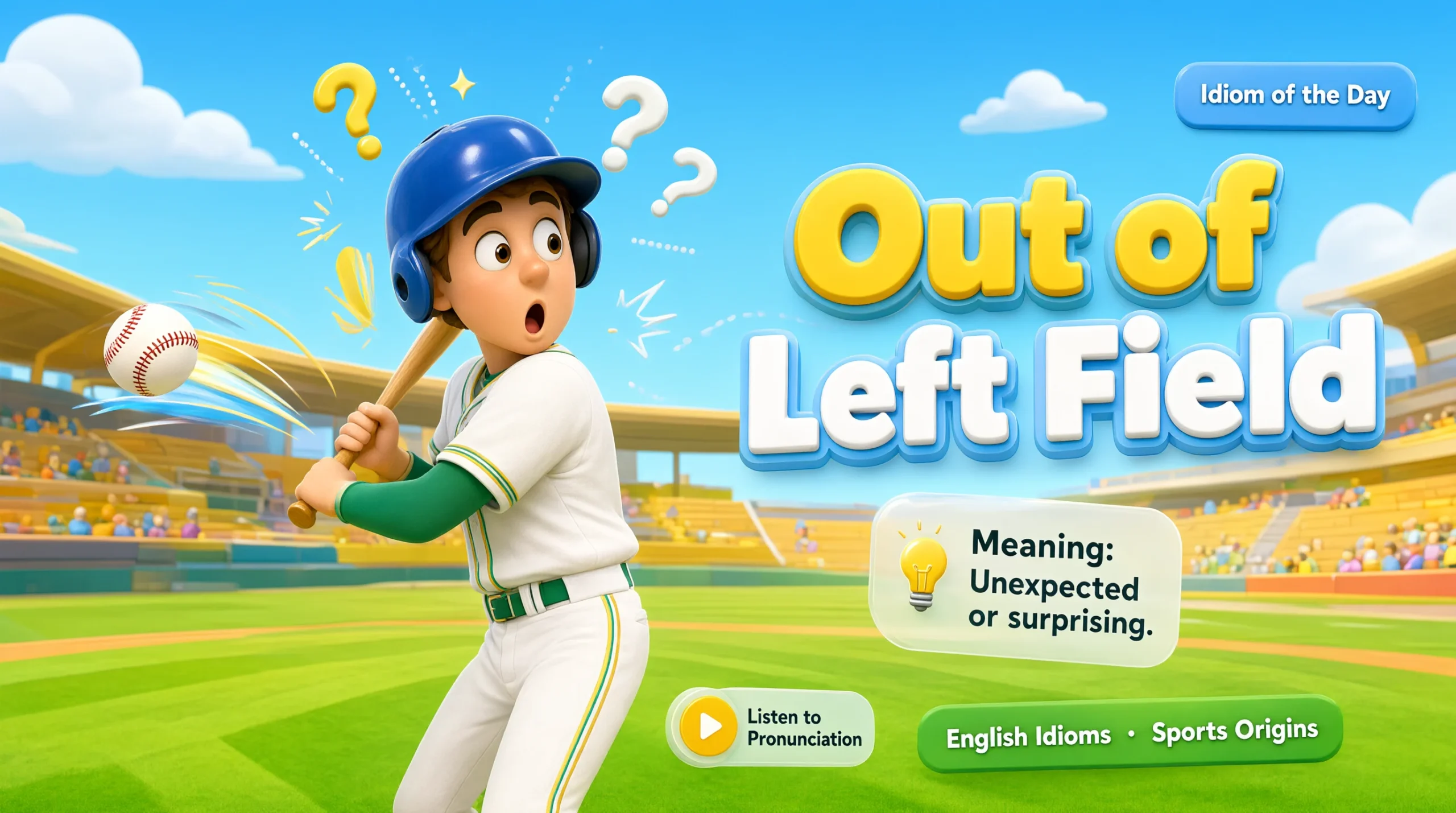
The phrase “out of left field” is an informal English idiom used to describe something unexpected, surprising, or completely unrelated ...
Read more
Lighted vs Lit: What Is the Difference and Which Word Should You
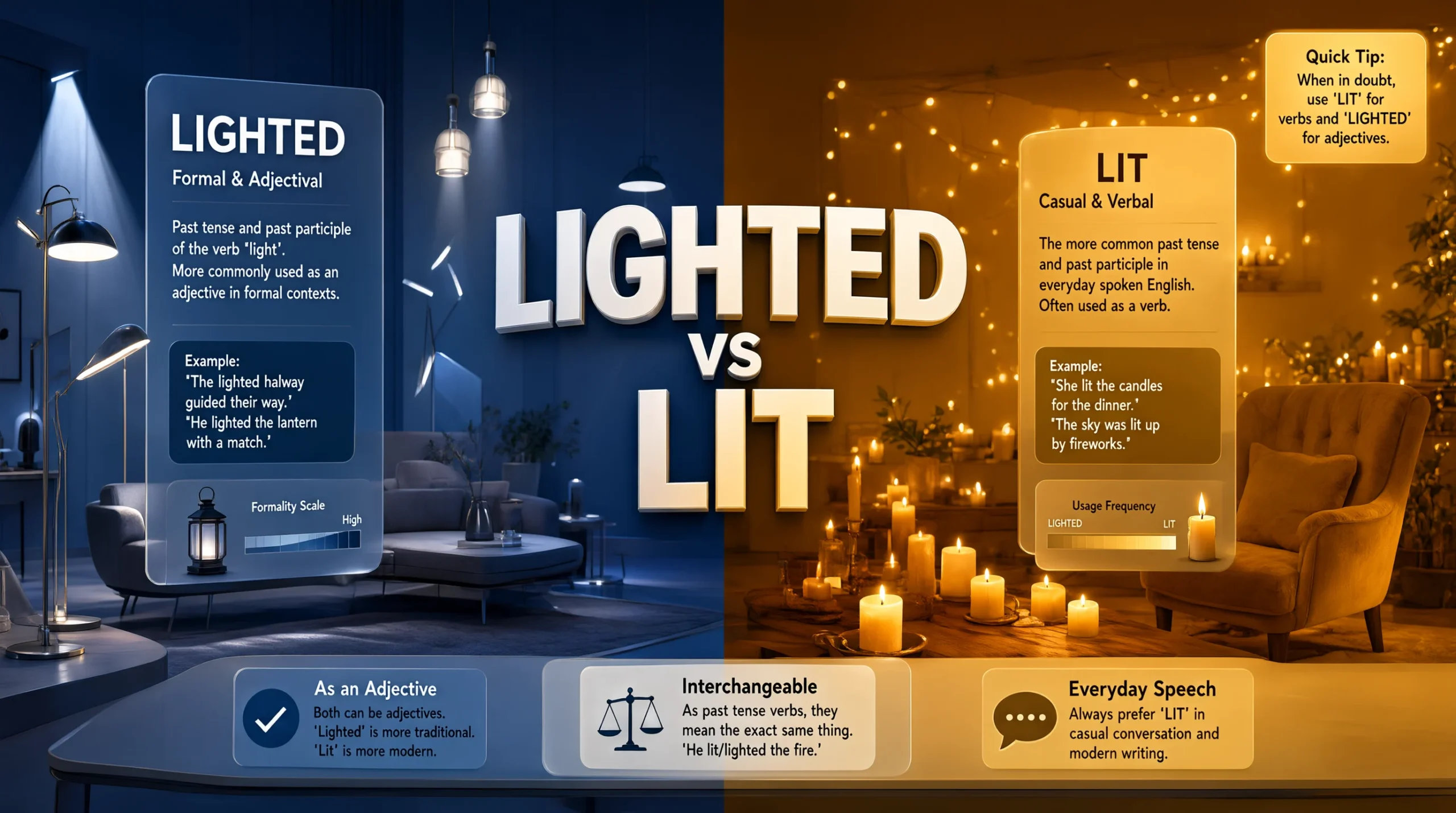
Choosing between lighted vs lit can be confusing because both words are correct forms of the verb light. They describe ...
Read more
Run-On Sentences: Meaning, Examples, Rules, and How to
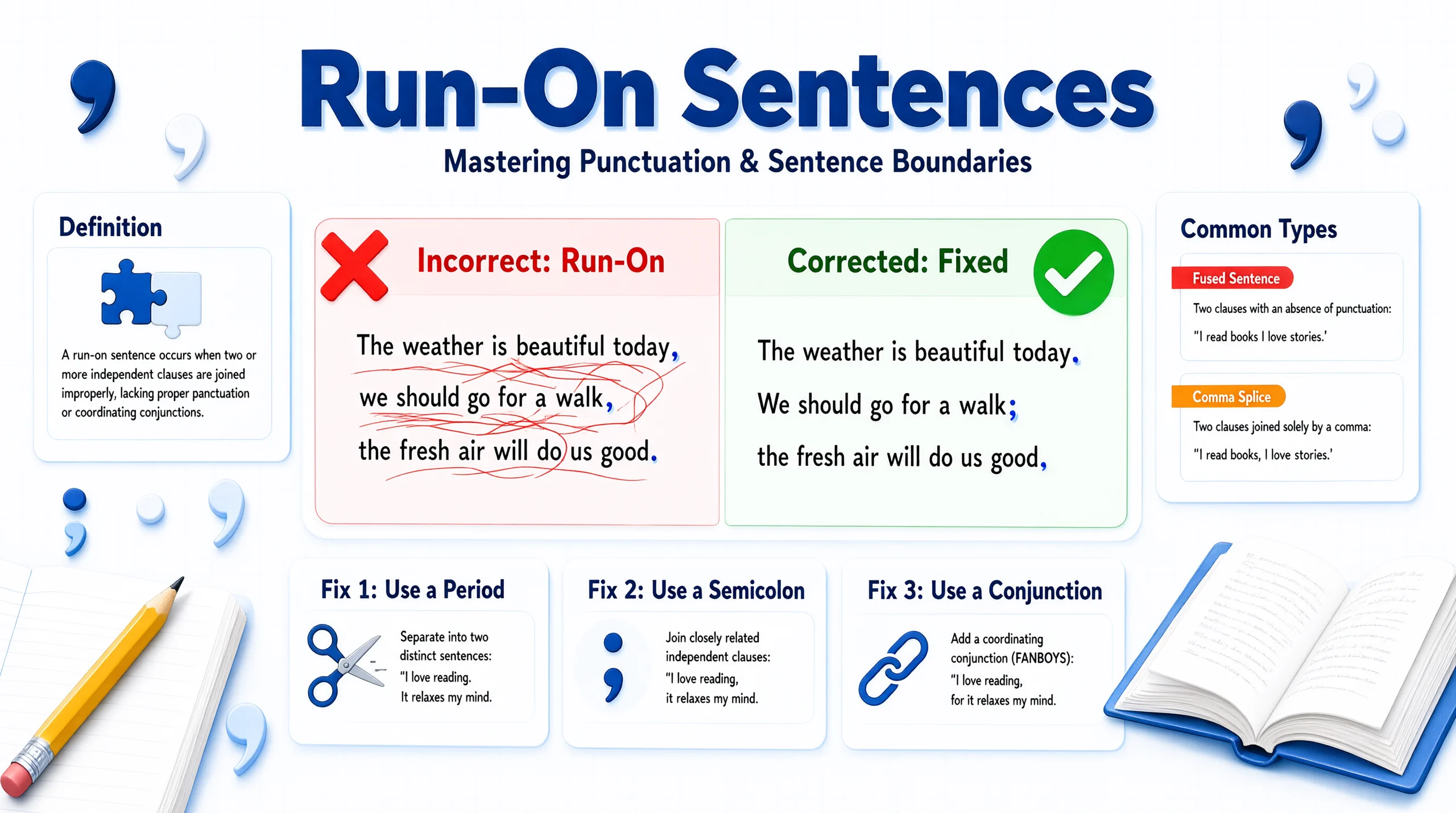
Run-on sentences are one of the most common grammar mistakes in English. They happen when two or more complete thoughts ...
Read more