Daylight Robbery: Meaning, Difference, Examples, and How
The phrase “daylight robbery” is a common English idiom used when something costs far more than it is worth or ...
Read more
Blatant vs Flagrant: What’s the Difference and When Should You
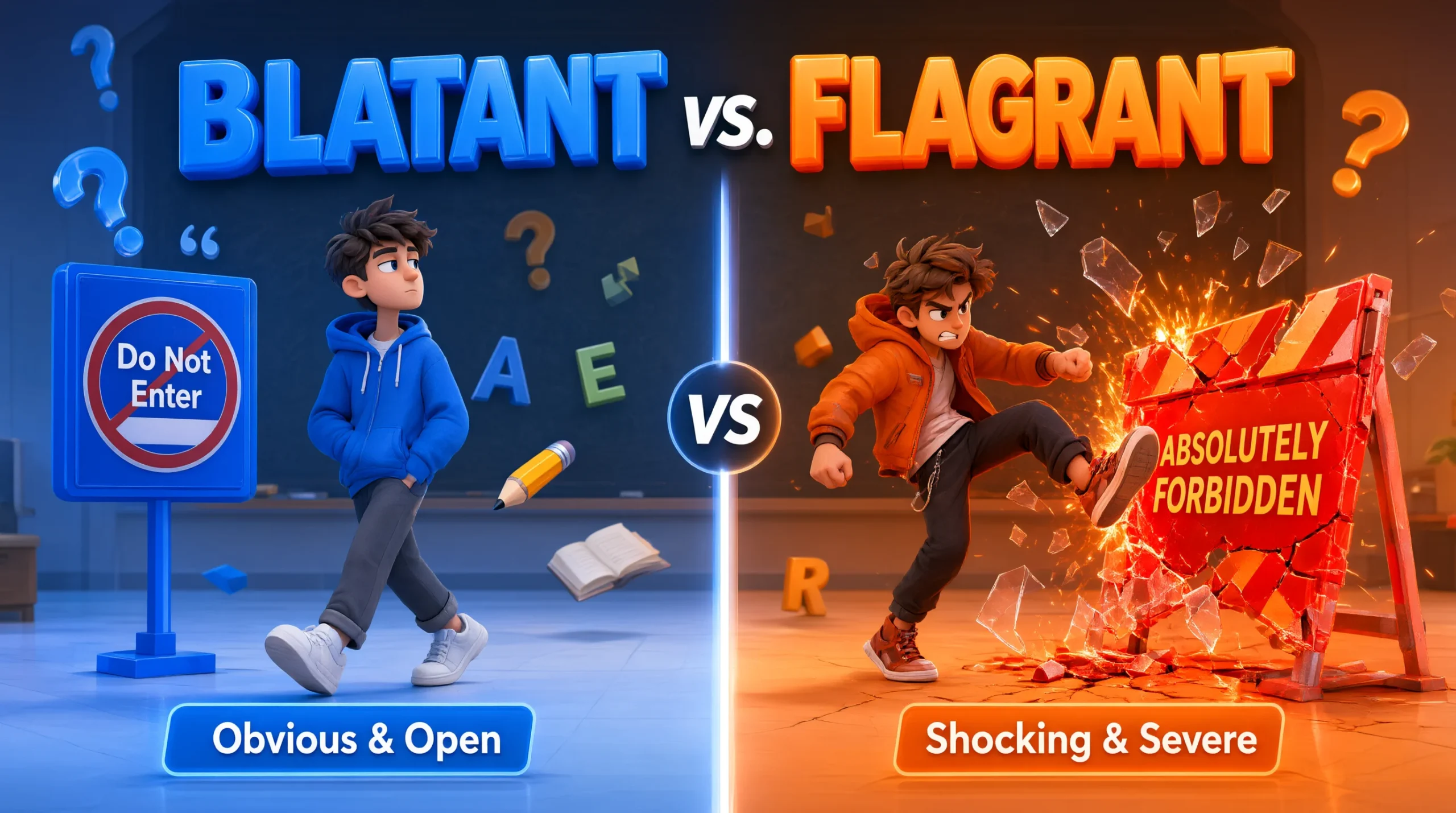
Have you ever wondered if to use blatant or flagrant when describing something obvious, offensive, or unacceptable? These two English ...
Read more
Tar and Feather: Meaning, Origin, History, and How to Use This
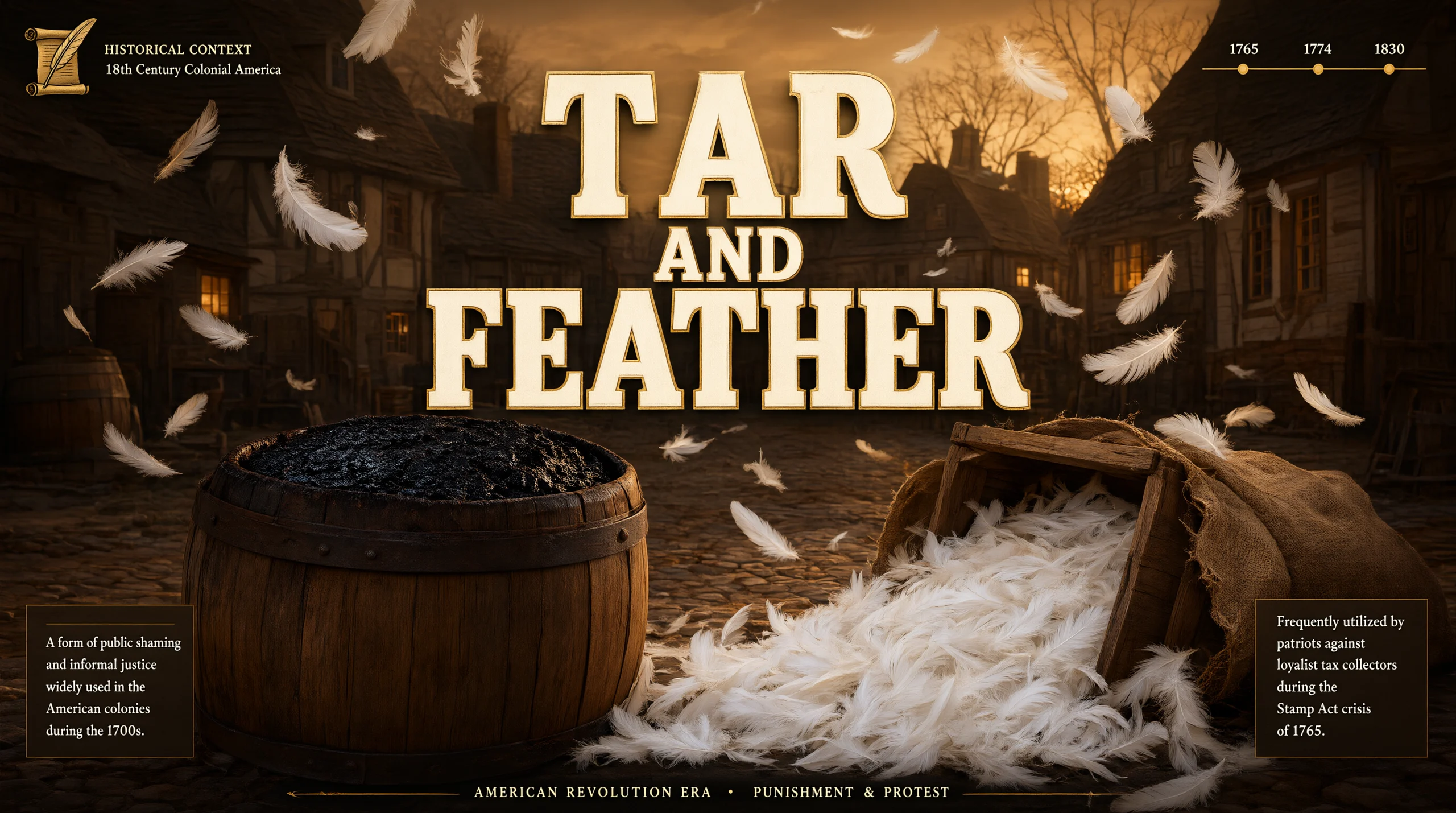
The phrase “tar and feather” refers to an old form of public punishment in which a person was covered with ...
Read more
Transition To or Transition Into: Which Phrase Is Correct?
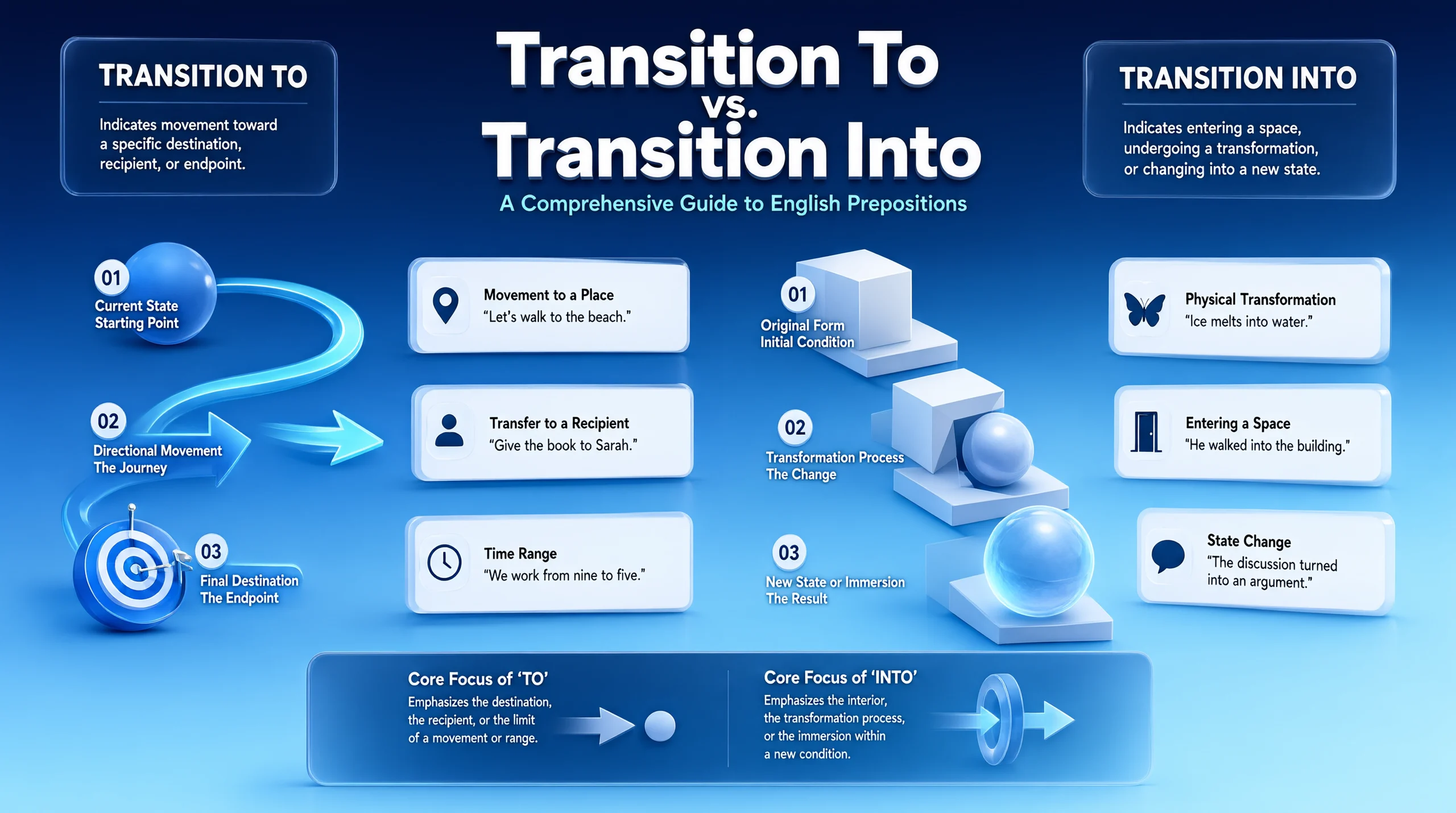
Have you ever wondered if to say “transition to” or “transition into”? Both expressions are grammatically correct, but they are ...
Read more
Off His Rocker: Meaning, Examples, Synonyms, and How to Use It
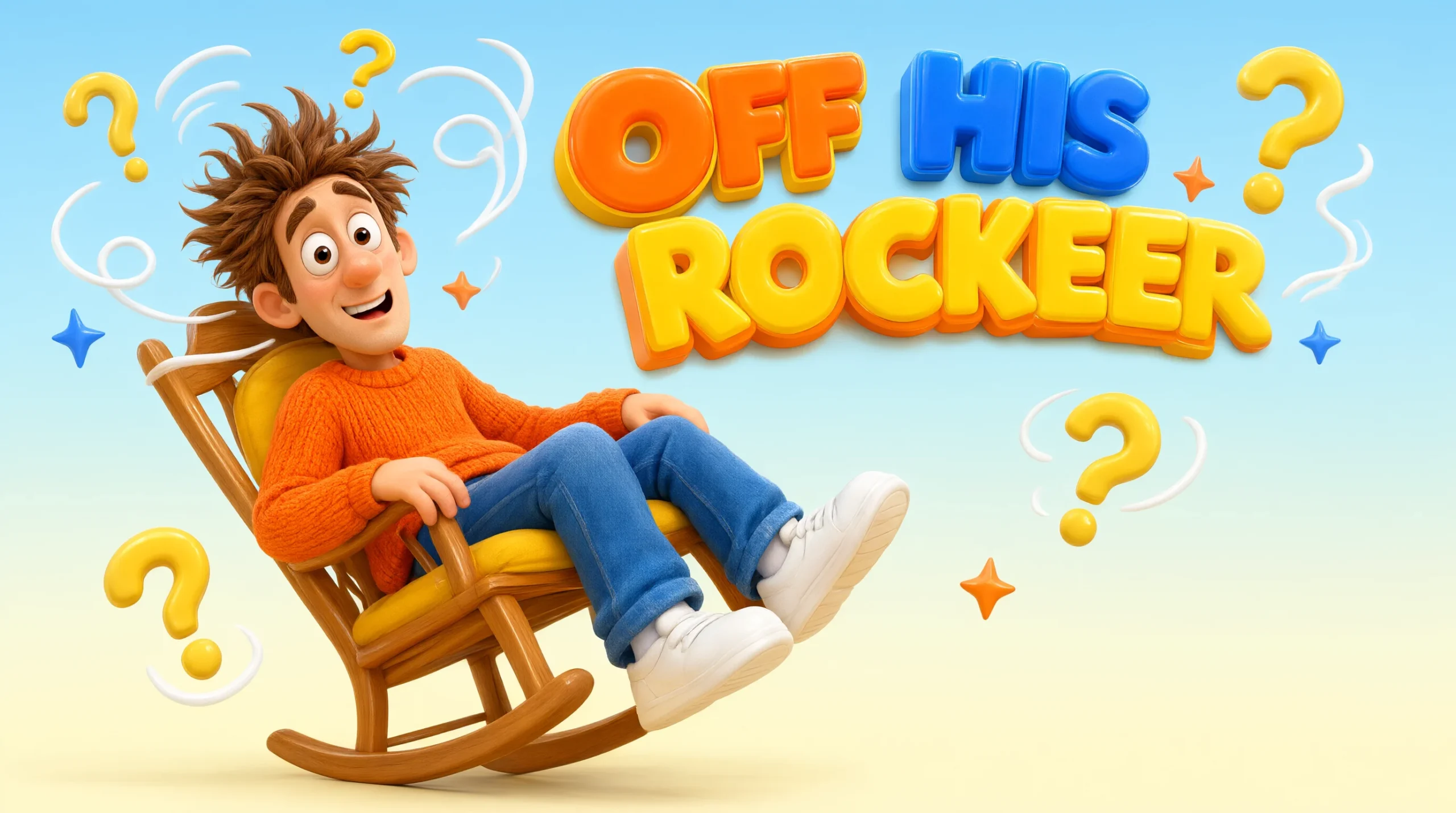
The phrase “off his rocker” is an informal English idiom used to describe a man or boy who is acting ...
Read more
Starting a Sentence With During: Rules, Examples, and Common
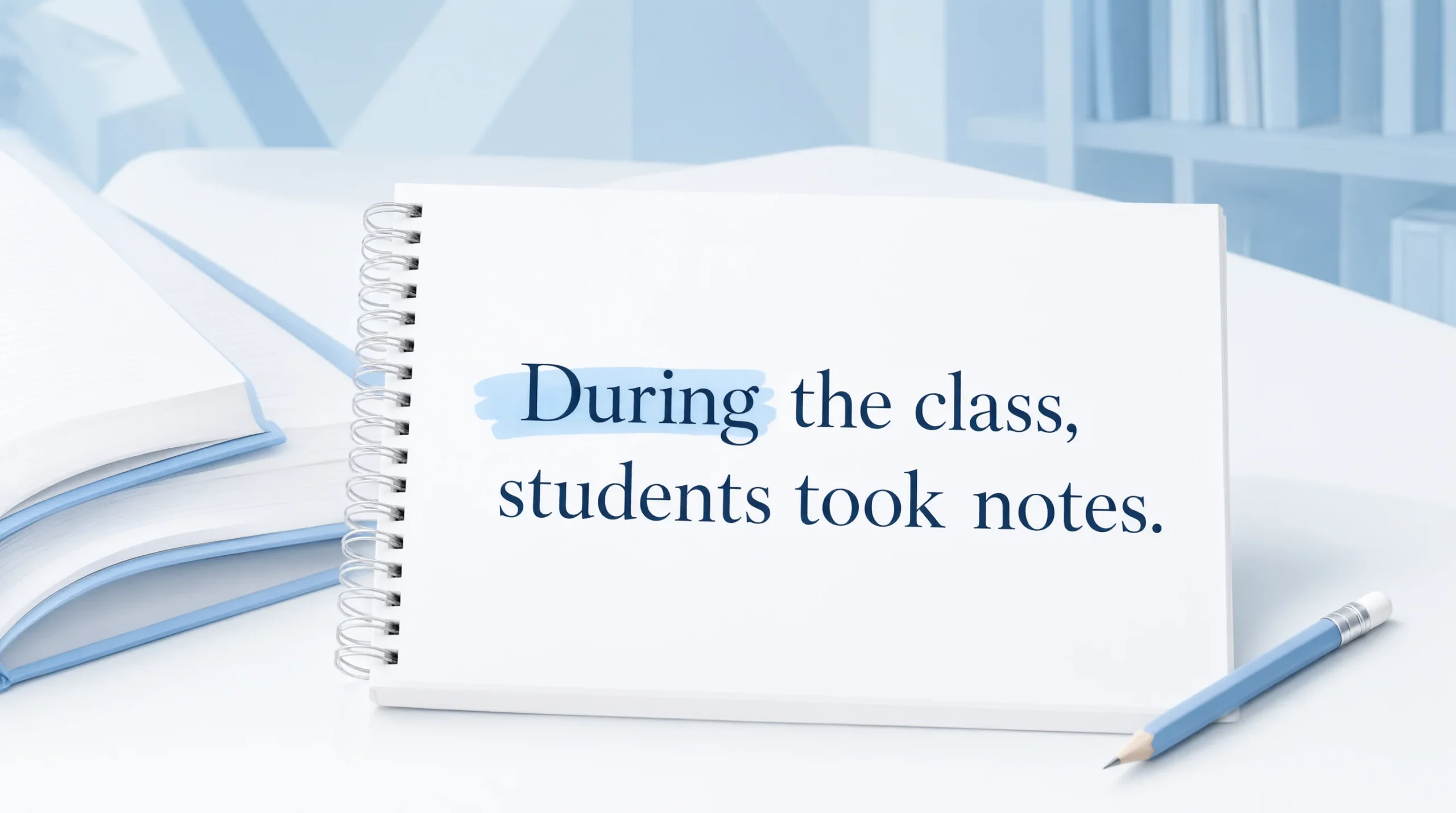
Starting a sentence with during is grammatically correct when you want to explain when an event happens or describe something ...
Read more
That’s Mean vs. That Means: What’s the Difference? (With Example
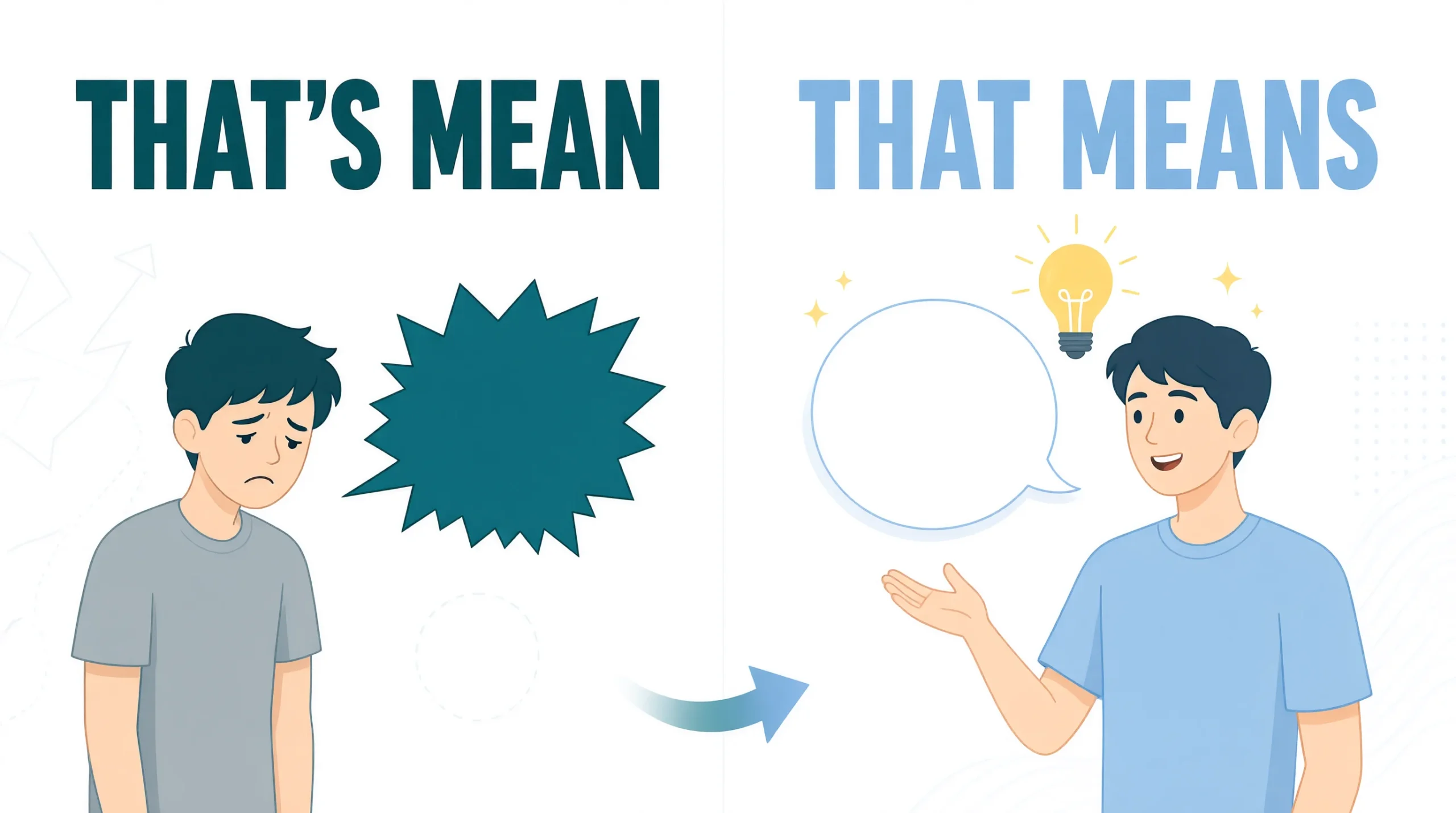
Have you ever wondered if to write “that’s mean” or “that means”? Although these phrases look and sound similar, they ...
Read more
Rack and Ruin: Meaning, Examples, Common Mistakes, and
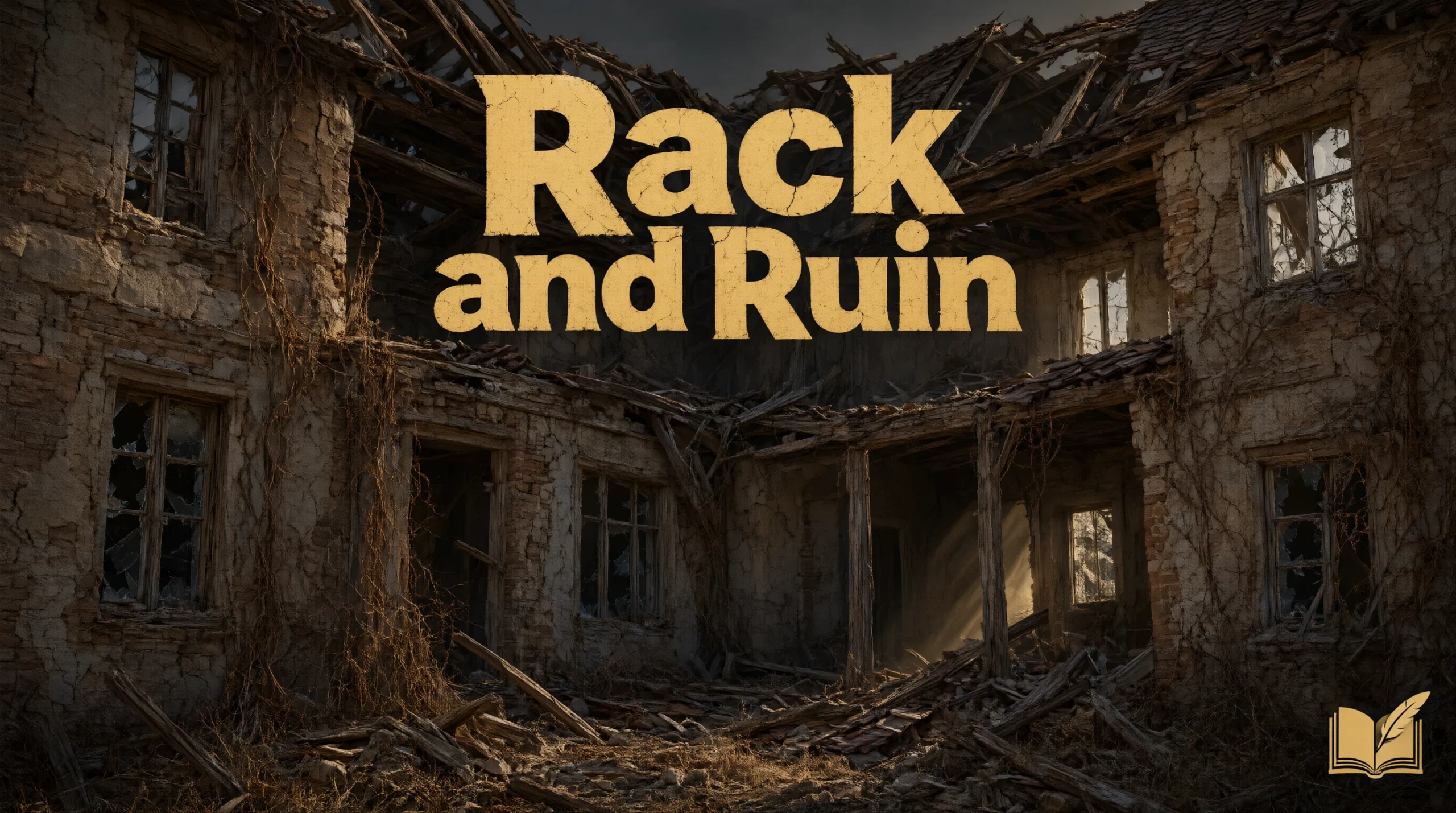
The phrase “rack and ruin” describes a state of serious damage, decline, or destruction. It is commonly used when a ...
Read more
Disfunction or Dysfunction: Which Spelling Is Correct?
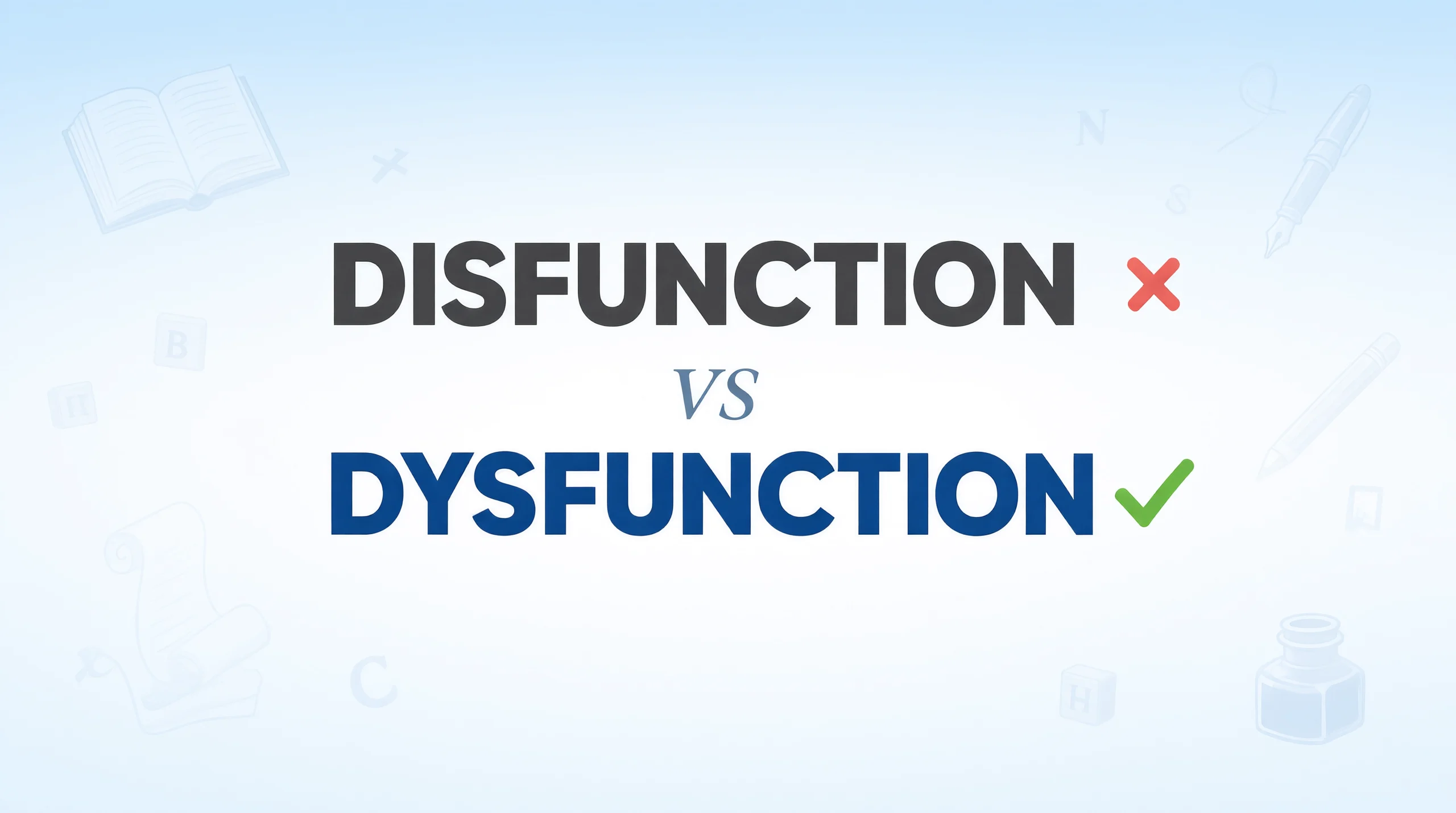
Have you ever wondered if to write disfunction or dysfunction? These words look similar, so it is easy to become ...
Read more
Sheeps or Sheep: Which Word Is Correct? Meaning, Rules, and
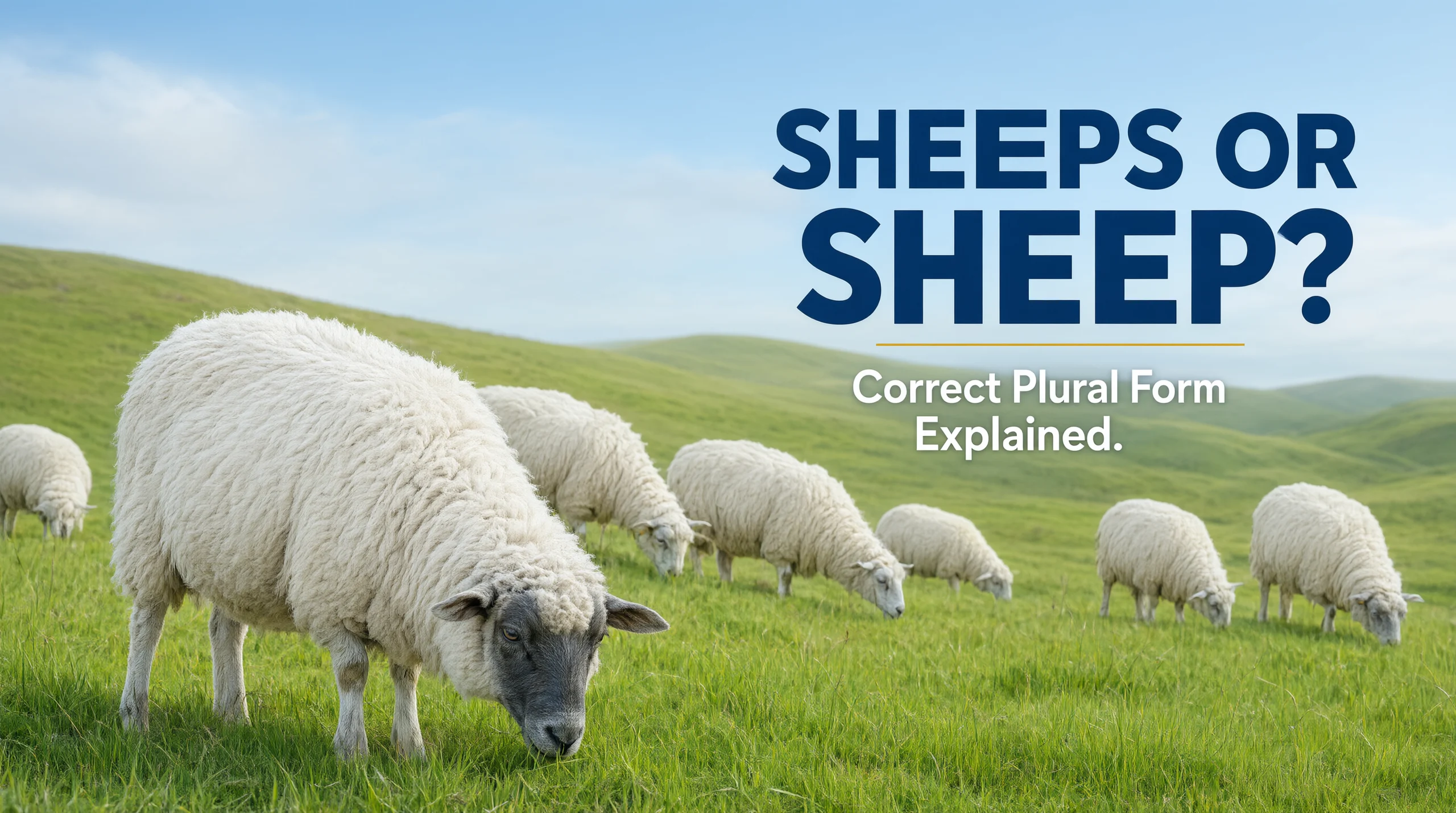
The correct plural of sheep is sheep, not sheeps. Many English learners use “sheeps” because most English nouns form their ...
Read more